
What Is the Biggest Complaint After Knee Replacement? | Dr. Sukesh Reddy P, Warangal
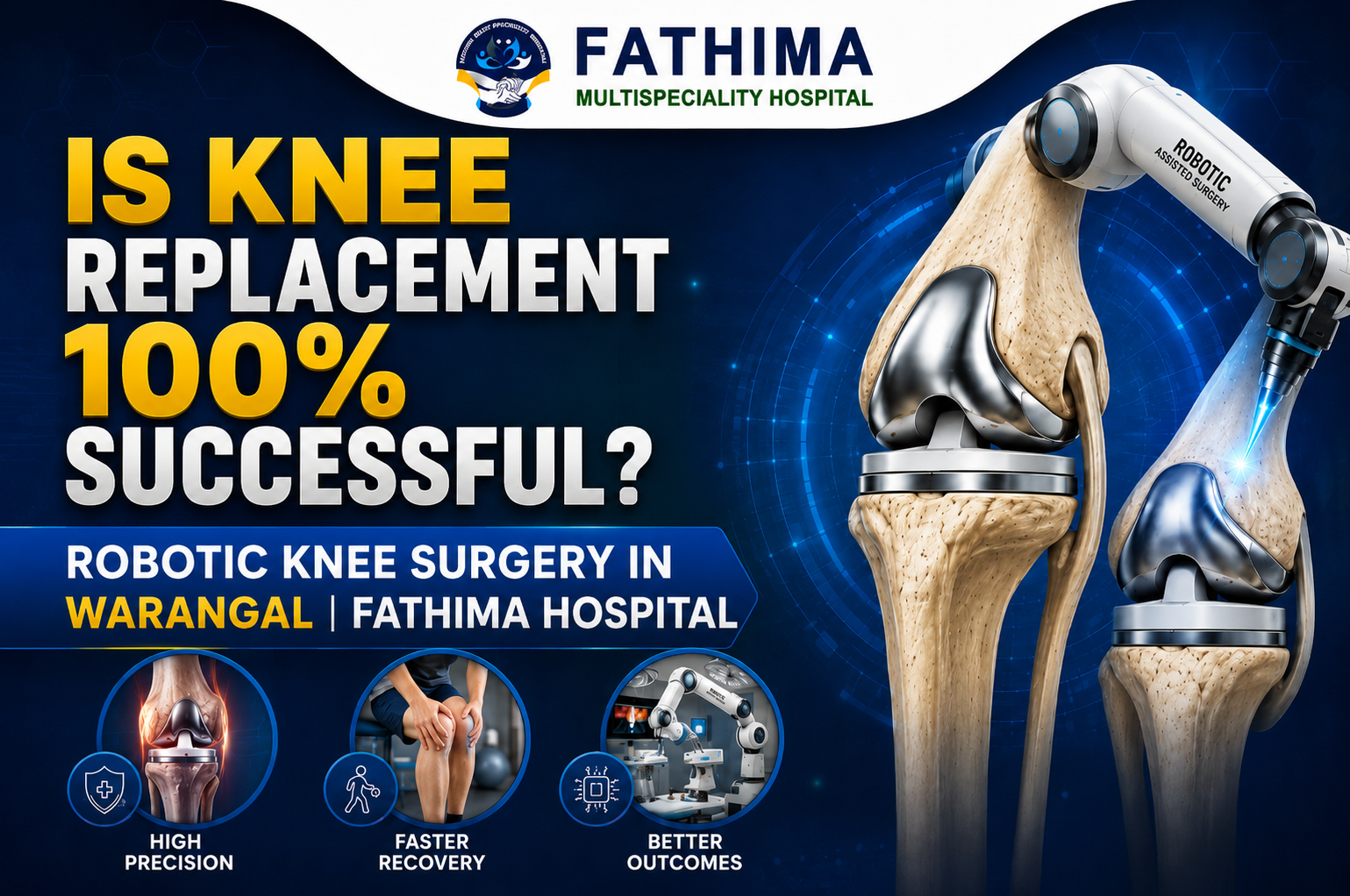
Is knee replacement 100% successful? Learn real success rates, risks & recovery. Robotic Knee Replacement by Dr. Sukesh Reddy P, Warangal’s only robotic knee hospital.
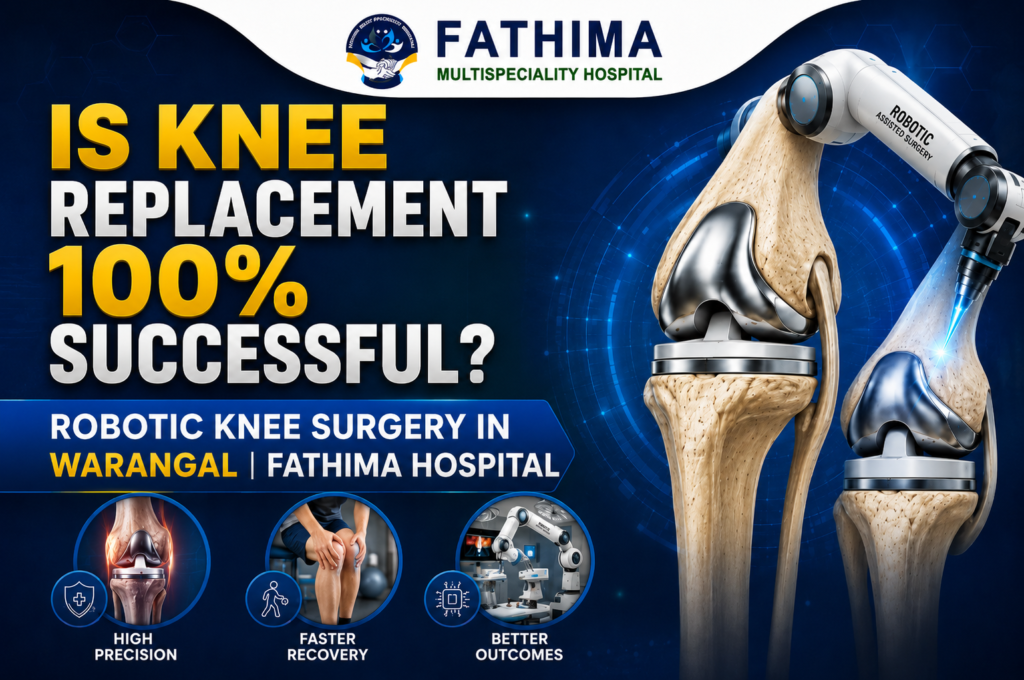
No surgery is 100% successful for every patient, and knee replacement is no exception. However, studies show knee replacement surgery relieves pain and restores function in approximately 90–95% of patients, making it one of the most reliable and predictable procedures in orthopaedics today. At Fathima Multispeciality Hospital, Warangal, outcomes are further improved through Robotic Knee Replacement Surgery, led by Dr. Sukesh Reddy P (MS Orthopaedics).
This guide breaks down what “success” actually means after knee replacement, what factors influence the outcome, and how robotic technology is changing the odds for patients in Warangal and surrounding regions.
Success isn’t a single number — it depends on what the patient wants to get back to. For one person it means walking to the market without pain. For another, it means climbing stairs freely or returning to daily chores without stiffness.
Orthopaedic surgeons generally define success as:
Most long-term studies show that patients report high satisfaction and major functional improvement after surgery — but individual results still vary based on health, technique, and rehabilitation.
A small percentage of patients continue to experience stiffness or mild discomfort even after a technically successful surgery. This doesn’t necessarily mean the surgery failed — it usually points to one or more of these factors:
i. Overall Patient Health
Patients managing diabetes, high blood pressure, or obesity before surgery tend to heal more smoothly. Controlling these conditions ahead of time lowers complication risk significantly.
ii. Surgical Precision and Technology
This is where technology makes the biggest difference. Traditional knee replacement relies on manual alignment, which can vary from surgeon to surgeon.
iii. Robotic Knee Replacement Surgery, available at Fathima Multispeciality Hospital, uses precision robotic guidance to plan implant positioning down to the millimeter — improving alignment accuracy, reducing tissue damage, and supporting faster recovery.
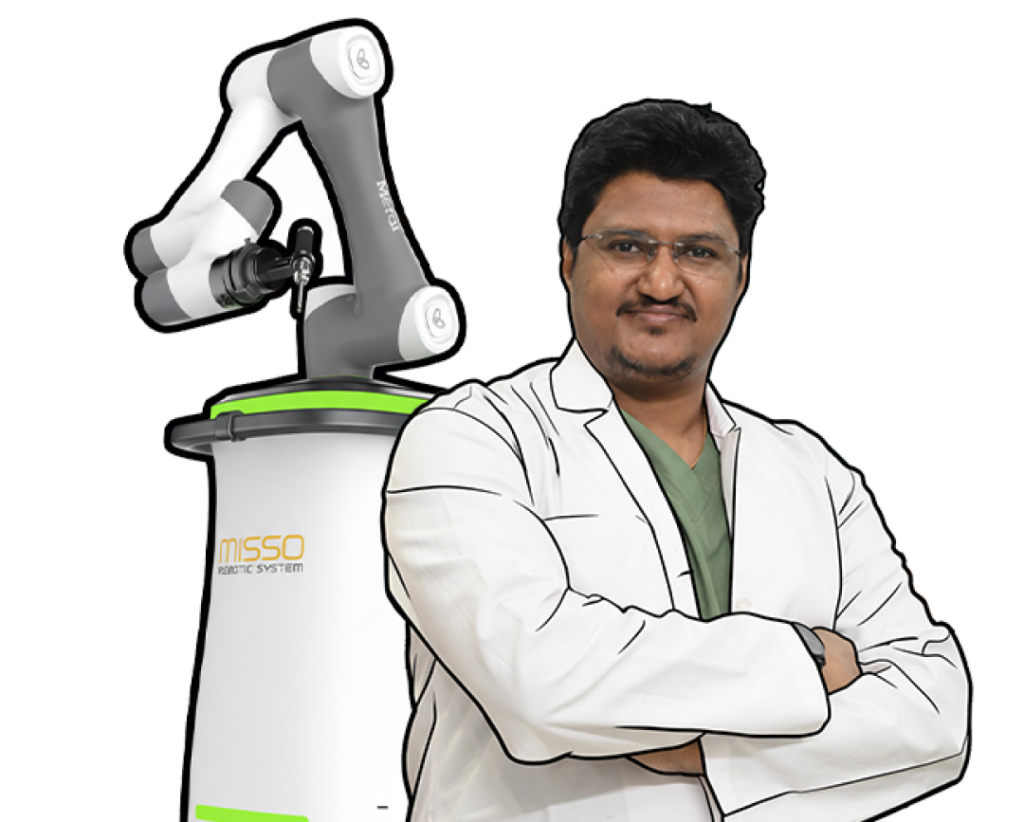
Fathima Multispeciality Hospital was the first hospital in Warangal to introduce Robotic Knee Replacement, backed by a ₹7 crore investment in advanced medical technology, and is led by Dr. Sukesh Reddy P, an experienced orthopaedic surgeon specializing in joint replacement.
iv. Physical Therapy and Rehabilitation
Surgery restores the joint — rehab restores strength and movement. Patients who commit to physiotherapy consistently recover faster and regain better long-term function than those who skip sessions.
v. Timing of Surgery
Delaying surgery until joint damage is severe, or operating without managing other health conditions, can affect outcomes. An orthopaedic evaluation helps determine the right time for surgery based on age, activity level, and joint condition.
Modern knee implants are built for durability. On average:
Longevity depends on activity level, body weight, and implant quality. With robotic-assisted precision, implant alignment is more accurate — which can further support implant lifespan and reduce uneven wear over time.
Can Both Knees Be Replaced Together?
For patients with severe arthritis in both knees, simultaneous bilateral knee replacement can mean a single recovery period instead of two. However, this option isn’t right for everyone — it depends on age, cardiac fitness, and overall health. A detailed evaluation with an orthopaedic specialist is essential before deciding.
Are There Alternatives to Knee Replacement?
Not every patient needs immediate surgery. Depending on the stage of joint damage, options like physiotherapy, medication, lifestyle changes, weight management, or injections may delay or reduce the need for replacement. Your orthopaedic surgeon can assess X-rays and symptoms to recommend the most appropriate path.
When Should You Consider Knee Replacement?
It’s worth discussing surgery when knee pain starts limiting everyday life — walking, climbing stairs, sleeping, or standing for long periods — and conservative treatments no longer help. At this stage, a consultation with an orthopaedic specialist can clarify whether surgery, and specifically robotic-assisted surgery, is the right next step.
Frequently Asked Questions (FAQ’s)
1Q: Is knee replacement surgery 100% successful?
Ans: No. No surgery can guarantee a 100% success rate, but knee replacement has a high success rate of approximately 90–95% in relieving pain and restoring function.
2Q: Does robotic knee replacement improve success rates?
Ans: Yes. Robotic assistance allows more precise implant alignment and positioning compared to traditional methods, which can lead to better joint function, less pain, and faster recovery.
H No 1-1-1106, Beside Over Bridge Sidharthnagar, Street No 7, Hanamkonda, Telangana - 506004