
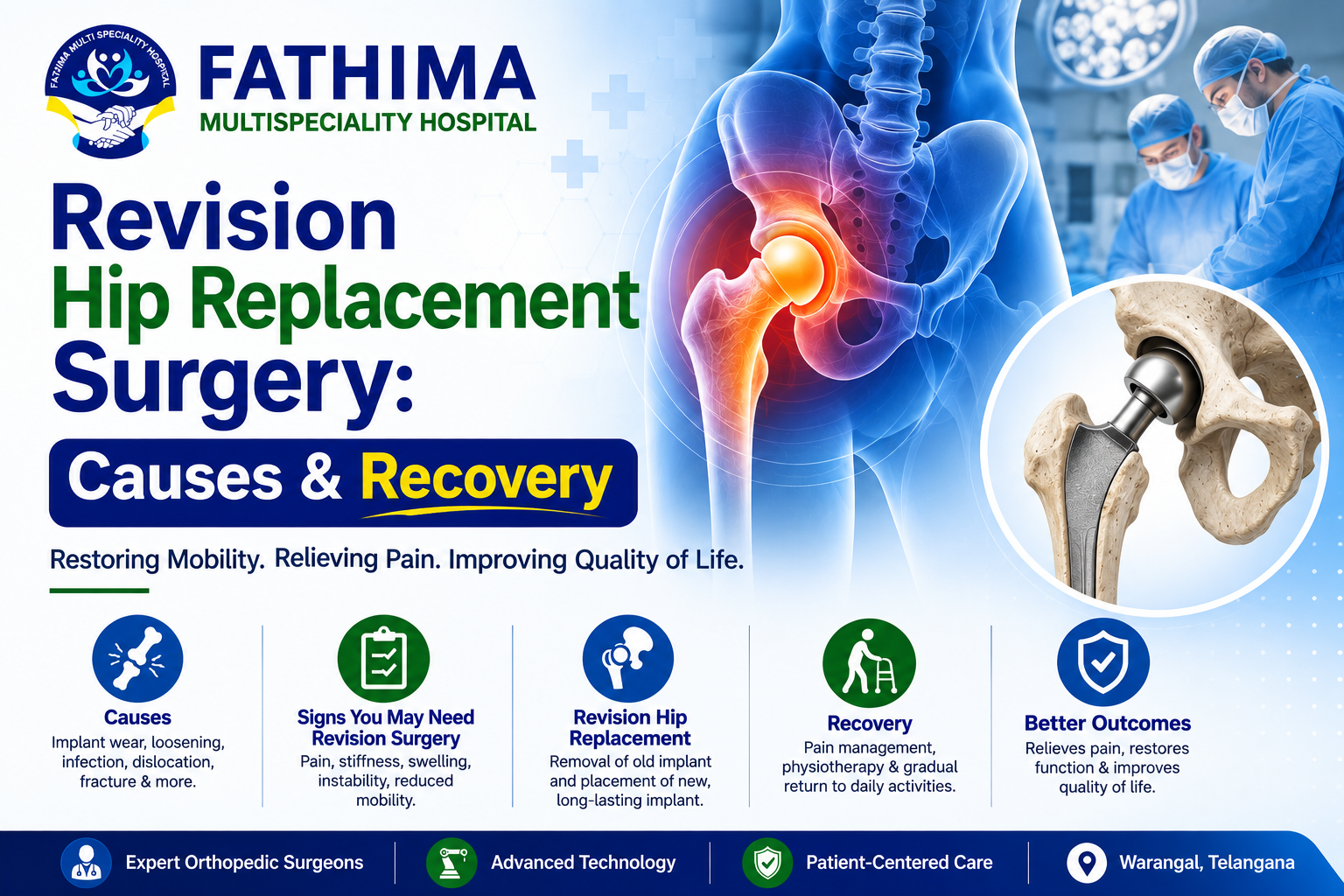
Revision Hip Replacement Surgery: Causes & Recovery
Not all back pain needs surgery. Fathima Multispeciality Hospital & Dr. Sukesh Reddy P explain when conservative treatment is enough—and when it isn’t
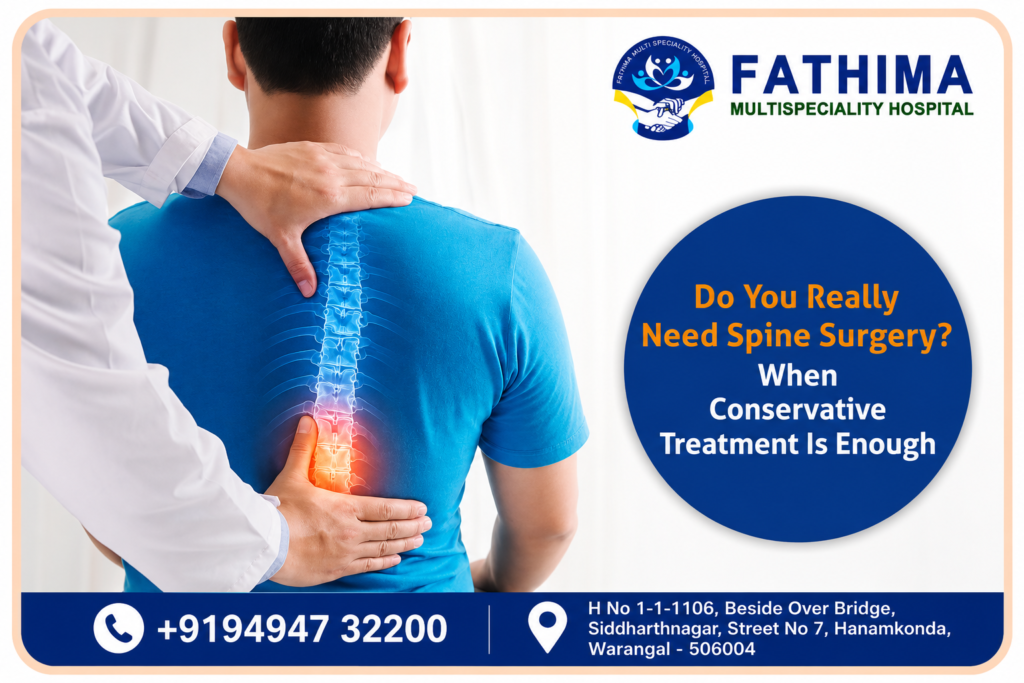
No, most people with back pain do not need spine surgery. Around 8 in 10 cases respond well to conservative treatment — rest, physiotherapy, medication, and posture correction. Surgery becomes necessary only when there are specific warning signs, such as worsening leg weakness, loss of bladder or bowel control, or pain that doesn’t improve after months of proper non-surgical treatment. Dr. Sukesh Reddy P at Fathima Multispeciality Hospital, Hanamkonda, recommends a conservative-first approach and reserves surgery for cases where it’s genuinely the safer option.
Back pain has a way of taking over everyday life. Bending to pick up a child, sitting through a workday, or even tying your shoes can become a struggle. So when a doctor mentions the word “surgery,” it’s natural to feel uneasy.
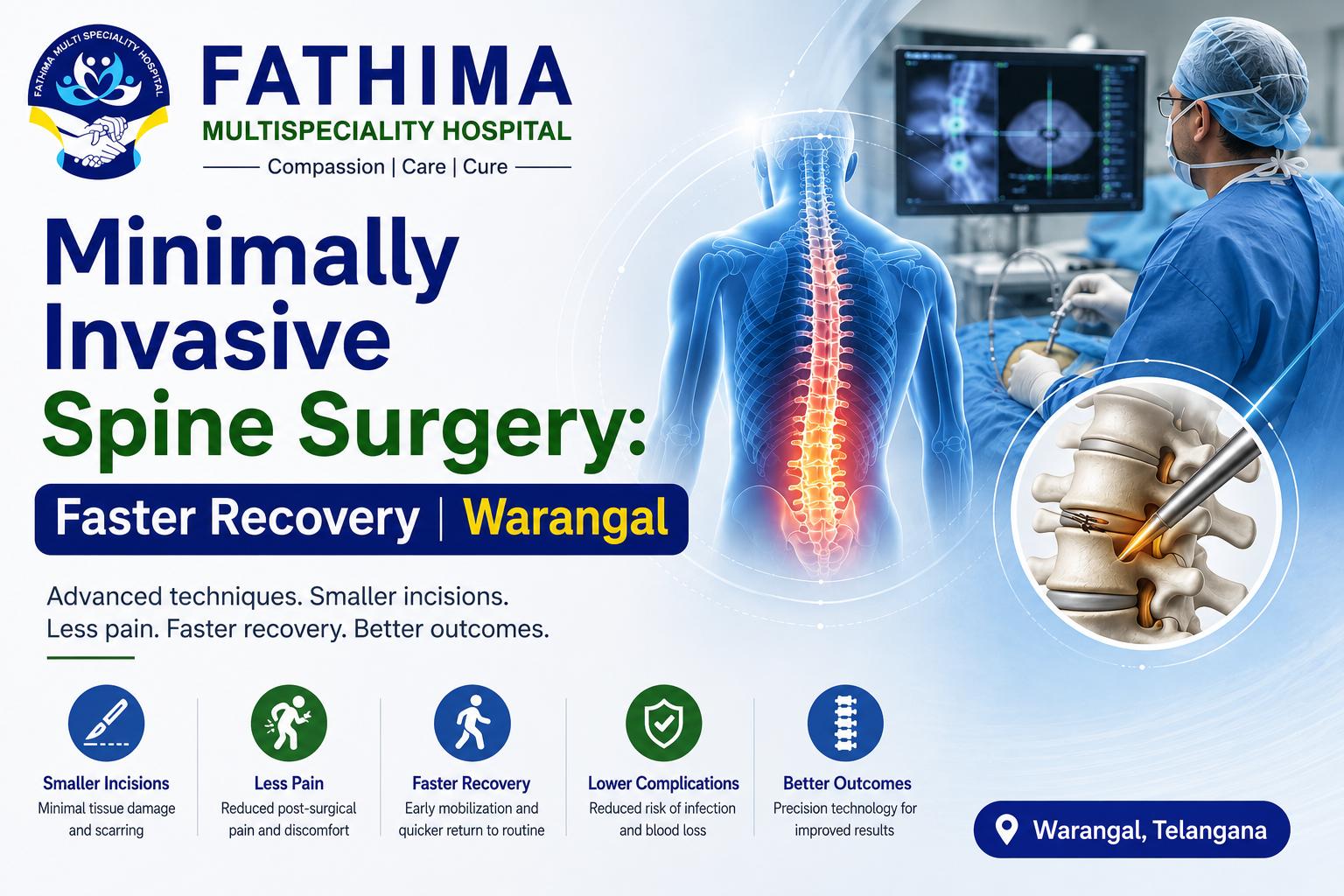
Here’s the reassurance most patients need to hear: surgery is rarely the first step in spine care. For the majority of patients who walk into Fathima Multispeciality Hospital with back or neck pain, the starting point is non-surgical treatment — not an operating table.
Conservative treatment means managing spine problems without surgery, giving the body time and the right support to heal on its own. At Fathima Hospital, this typically includes:
These approaches may sound simple, but when supervised correctly by a specialist, they resolve the majority of spine complaints — particularly those caused by muscle strain, poor posture, or mild disc irritation.
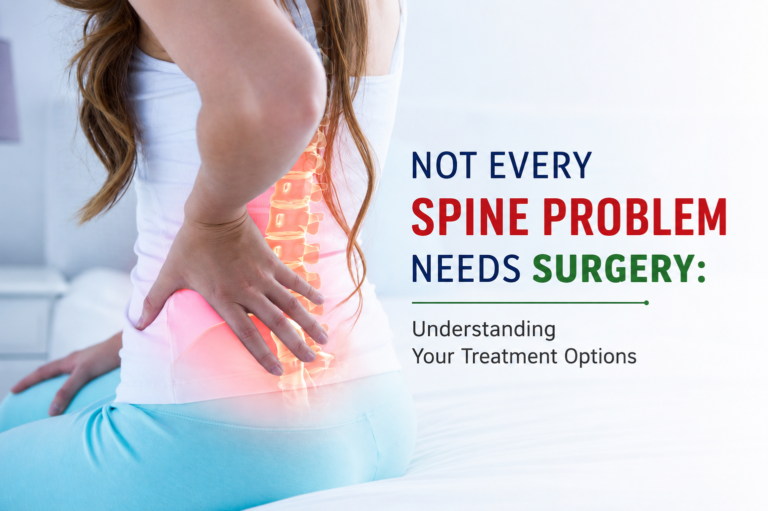
A large share of back and neck pain seen in clinics comes from everyday causes rather than serious structural damage:
These conditions typically respond well to physiotherapy and lifestyle correction within a few weeks to months, without ever requiring an operation.
While conservative treatment works for most patients, there are specific warning signs where surgery isn’t just an option — it becomes urgent to prevent permanent nerve damage. Dr. Sukesh Reddy P advises patients to seek immediate evaluation if they experience:
If any of these apply to you, conservative treatment alone is not enough, and a spine specialist should assess you promptly.
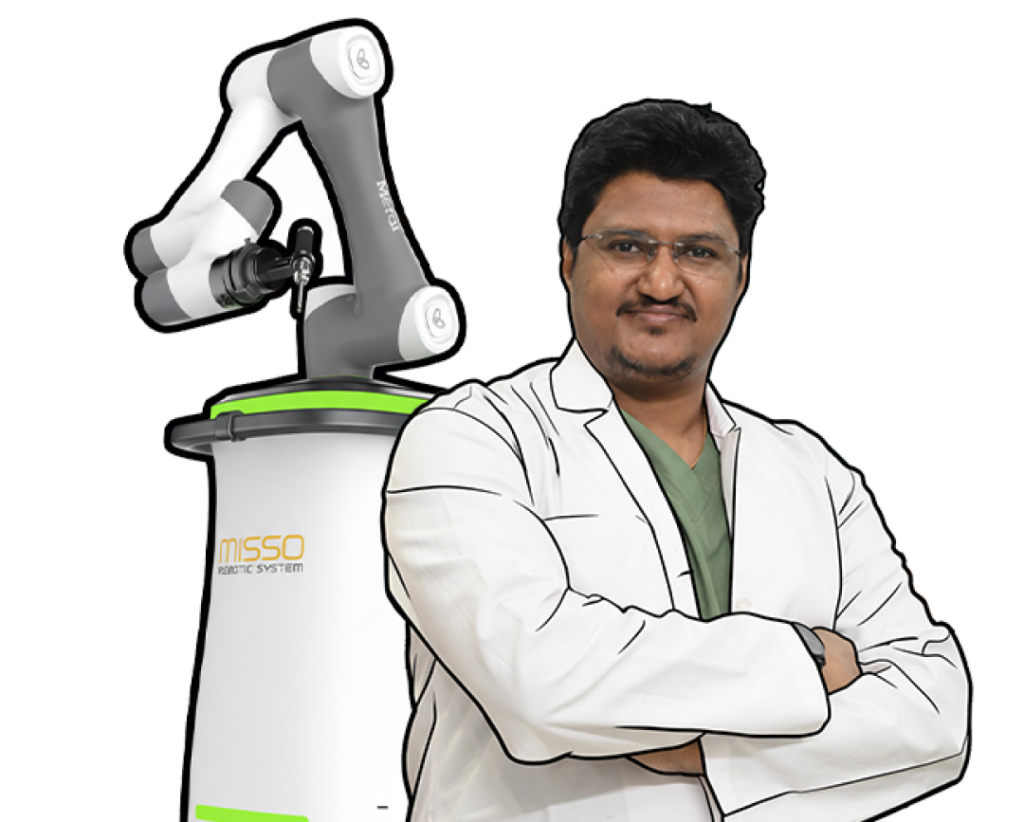
Dr. Sukesh Reddy P brings over 13 years of orthopedic and spine care experience to patients across Warangal, Hanamkonda, Karimnagar, and Khammam. His approach is built on a simple principle: the goal is your recovery, not an operation count.
What sets his approach apart:
This balanced approach means patients aren’t pushed toward surgery prematurely, but also aren’t left without options if their condition genuinely requires it.
Choosing the Right Spine Specialist
The most important decision in spine care isn’t whether to have surgery — it’s who you trust to guide that decision. A good spine specialist is not defined by how often they operate, but by how well they know when not to operate.
When evaluating a spine doctor in Warangal or Hanamkonda, look for:
Fathima Multispeciality Hospital
📍 H No 1-1-1106, Beside Over Bridge, Siddharthnagar, Street No 7, Hanamkonda, Telangana – 506004
📞 94947 32200
📧 multispecialityhospitalfathima@gmail.com
🌐 fathimahospitals.in
Back pain can feel overwhelming, but surgery is rarely the first answer. Give conservative treatment a real chance under expert guidance — and if surgery does become necessary, know that you’re in capable hands with Dr. Sukesh Reddy P at Fathima Multispeciality Hospital.
Frequently Asked Questions (FAQ’s)
1Q: Do I need surgery for back pain?
Ans: Most people do not. The majority of back pain cases improve with physiotherapy, medication, and posture correction. Surgery is usually considered only after conservative treatment fails or specific red-flag symptoms appear.
2Q: What are the warning signs that spine surgery is necessary?
Ans: Loss of bladder or bowel control, progressive leg or arm weakness (such as foot drop or weak grip), and pain that doesn’t improve despite months of proper conservative treatment are key signs that surgery should be evaluated.
H No 1-1-1106, Beside Over Bridge Sidharthnagar, Street No 7, Hanamkonda, Telangana - 506004